This article was originally published on The Legal Intelligencer and is republished here with permission as it originally appeared on March 12, 2026.

In this third and final article in a three-part series on the FirstEnergy decision, we turn to what happens when litigation arrives and privilege is challenged.

Over the past several years, district courts have been skeptical of privilege claims over forensic investigation materials in the cybersecurity context. FirstEnergy provides a framework for defending those materials. Every cyber investigation serves two purposes. From a legal perspective, the investigation informs litigation exposure and defense strategy. But the same investigation also identifies compromised systems, drives remediation and supports business operations. After FirstEnergy, those dual purposes do not defeat privilege, provided the investigation was initiated because of legal risk and directed by counsel. This article also examines how the lessons of FirstEnergy apply in cases involving multiple defendants that may have both a desire and need—for both business and legal purposes—to work together to understand an incident and share information.

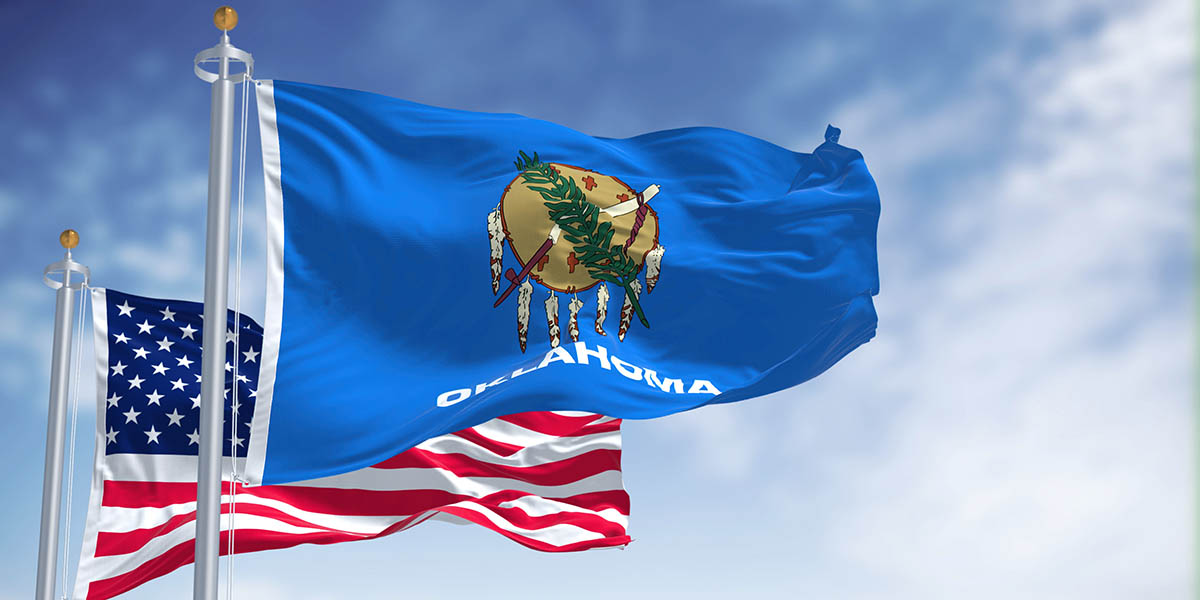
Key point: Oklahoma recently updated its breach notification statute for the first time since enactment, aligning with broader state trends and underscoring the ongoing, continuous review of data breach notification laws by lawmakers.

Effective January 1, 2026, Oklahoma’s Senate Bill 626 substantially revises the state’s data breach notification statute by expanding the definition of personal information, introducing a regulatory notice requirement, and updating safe-harbor exemptions. The amendments are the first changes to the law since it was enacted in 2008 and are consistent with trends in other states in recent years. For example, California adopted similar amendments set to take effect on January 1, 2026.

The below article provides an overview of the amendments.

Key Point: California’s existing breach notification statute was amended to include more decisive guidelines for reporting to individuals and regulators.

On October 5, 2025, California Governor Gavin Newsom signed SB-446 into law, which bill sponsor Sen. Melissa Hurtado (D-CA) indicates is aimed at “closing a critical loophole” in California’s existing breach notification statute. Below, we first provide a brief background on the scope of the law and then discuss the amendment.