February 2026

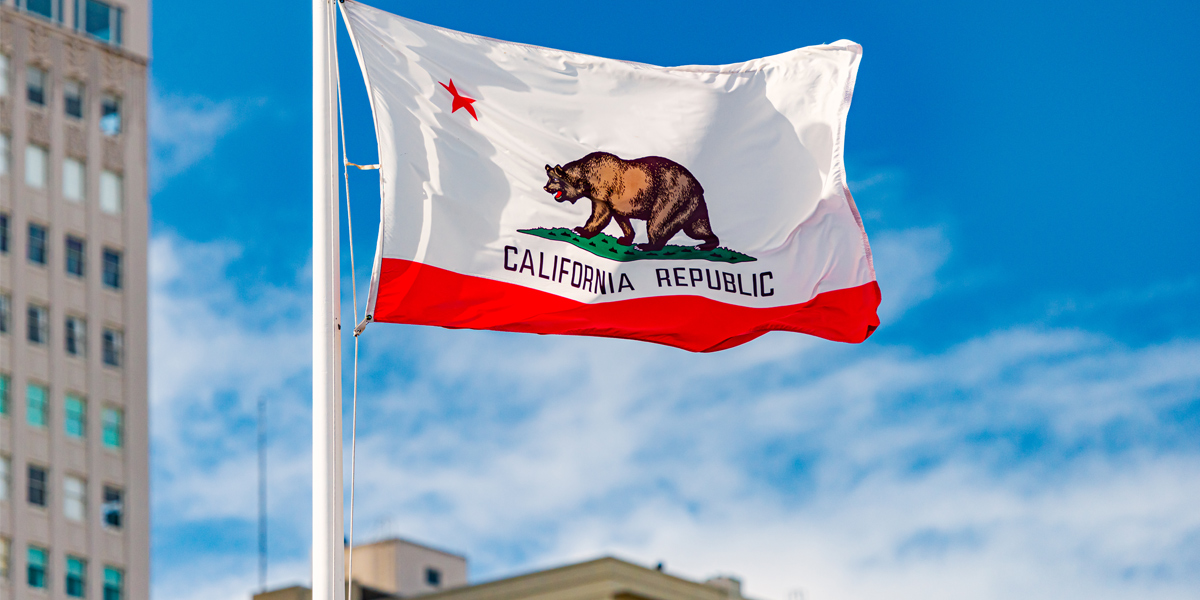
Key Points: California Attorney General Rob Bonta announced a sweep concerning so-called “surveillance pricing” or “algorithmic pricing” The AG highlights potential CCPA privacy violations tied to the use of individualized pricing models based on a lack of transparency and failure to comply with the CCPA’s “purpose limitation” principle. Other regulators are likely to follow suit — now is the time to assess and mitigate potential compliance and enforcement risks.

On January 27, 2026, California Attorney General (AG) Rob Bonta announced an investigative sweep focused on businesses that use consumer data to individualize prices for their goods or services. Bonta framed the issue as follows:

Consumers have the right to understand how their personal information is being used, including whether companies are using their data to set the prices that Californians pay, whether that be for groceries, travel, or household goods. We need to know whether businesses are charging people different prices for the same good or service — and if they’re complying with the law.”

The California Department of Justice (DOJ) is issuing written inquiries to businesses with substantial online operations in the retail, grocery, and hotel industries that leverage individualized pricing. It is requesting certain information on this issue, including details about:

  • Companies’ use of consumer personal information to set prices.
  • Policies and public disclosures regarding personalized pricing.
  • Any pricing experiments undertaken by companies.
  • Measures companies are taking to comply with algorithmic pricing, competition, and civil rights laws.

This post summarizes the basis for the California DOJ’s investigatory sweep, how it intends to apply California Consumer Privacy Act (CCPA) requirements, and how businesses can prepare for and mitigate the risk of these inquiries and potential enforcement actions.
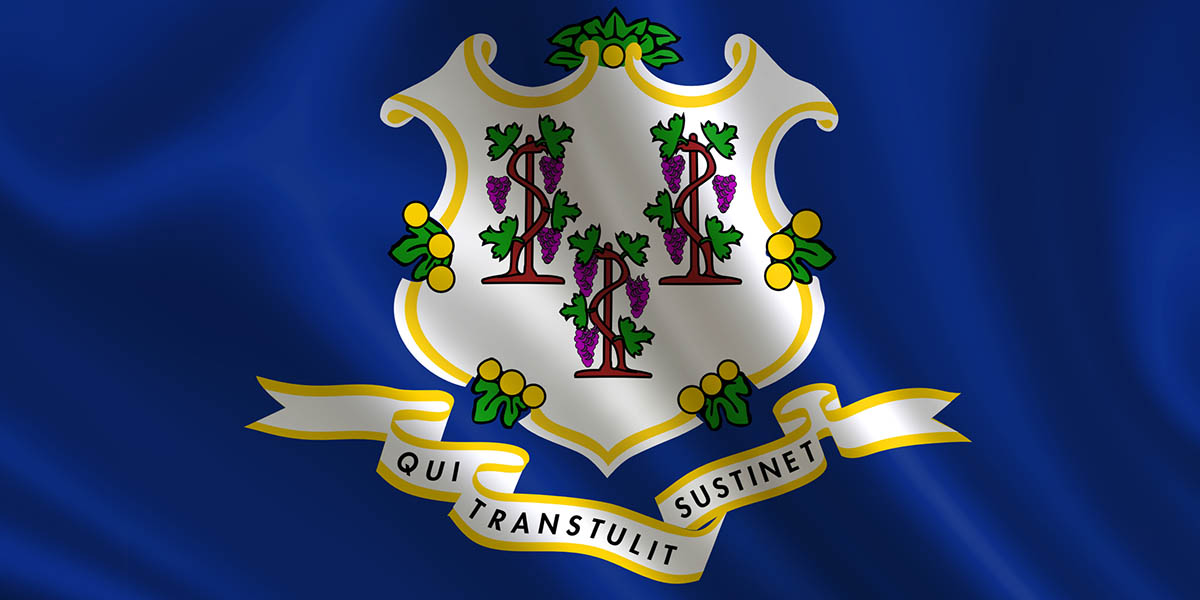

Key point: The Connecticut Office of the Attorney General issued the third annual enforcement report under the Connecticut Data Privacy Act, focusing on the office’s privacy and security efforts, consumer complaints, data breaches, and enforcement priorities.

The Connecticut Office of the Attorney General (OAG) issued its 2025 enforcement report under the Connecticut Data Privacy Act (CTDPA) last week. This is the third report since the CTDPA went into effect in July 2023. The report provides an update on (1) privacy-related consumer complaints, (2) data breach notice review and enforcement, and (3) enforcement efforts and priorities. Importantly, the OAG emphasized that protecting “kids online remains a topmost priority” and that it would continue to pursue investigations and enforcement actions focused on companies that offer online services, products, or features to consumers under 18.

In the report, the OAG also outlined recent amendments to the CTDPA, which will take effect on July 1, 2026. For more information regarding these amendments, see the recording of our webinar on 2025 Key Updates on State Privacy and AI Laws.

This article summarizes the OAG’s report and the positions the OAG takes on various issues. While the report highlights the OAG’s strong pro-consumer stance and illustrates the OAG’s expansive view of the CTDPA and its provisions, in breaking down the report, this article takes no position on the substance of those positions.

Key point: The law, which went into effect at signing, contains significant design and development requirements, requires independent third-party audits, and can be enforced against officers and employees.

On February 5, 2026, South Carolina Governor Henry McMaster signed the South Carolina Age-Appropriate Design Code Act (H 3431). South Carolina now joins California, Maryland, Nebraska, and Vermont in enacting Age-Appropriate Design Code (AADC) laws although these laws vary widely in both scope and requirements.

South Carolina’s law has several unique requirements, including requiring covered online services to engage in independent third-party audits, which are to be publicly posted by the state attorney general. We review these requirements below.

Of further note, the law went into effect upon the governor’s signature and does not contain a right to cure. The law is generally enforceable by the state attorney general who can seek treble financial damages for violations. The law also specifically provides that officers and employees of covered online services can be held personally liable for willful and wanton violations. In addition, the law’s prohibition against dark patterns is enforceable under the South Carolina Unfair Trade Practices Act, which allows for a private right of action. In the below post, we provide an overview of the new law and provide more general context on its provisions.

Key point: In this post: (1) increase in ECPA litigation as courts extend “crime tort” exception beyond health care; (2) service provider wins again against wiretapping claim; (3) defendants lose standing arguments in federal court; (4) VPPA circuit split widens as courts reject existing tests to determine whether disclosure of PII occurred; and (5) first PTFA decision in 15 years is issued, with more likely to come.

Welcome to our monthly update on how courts across the U.S. have handled privacy litigation involving website tools such as cookies, pixels, session replay, and similar technologies. In this post, we cover decisions from January 2026. And there were a lot of decisions. Courts issued twice as many California Invasion of Privacy Act (CIPA) wiretapping decisions in January 2026 than in December 2025.